
It is a digital data communications interface, frequently used by computers and peripherals, where information is transmitted bit by bit, sending only one bit at a time; in contrast to the parallel port that sends several bits simultaneously.
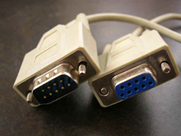
It is a digital data communications interface, frequently used by computers and peripherals, where information is transmitted bit by bit, sending only one bit at a time; in contrast to the parallel port that sends several bits simultaneously.
This is given at the speed of the internet being in megabytes per second.
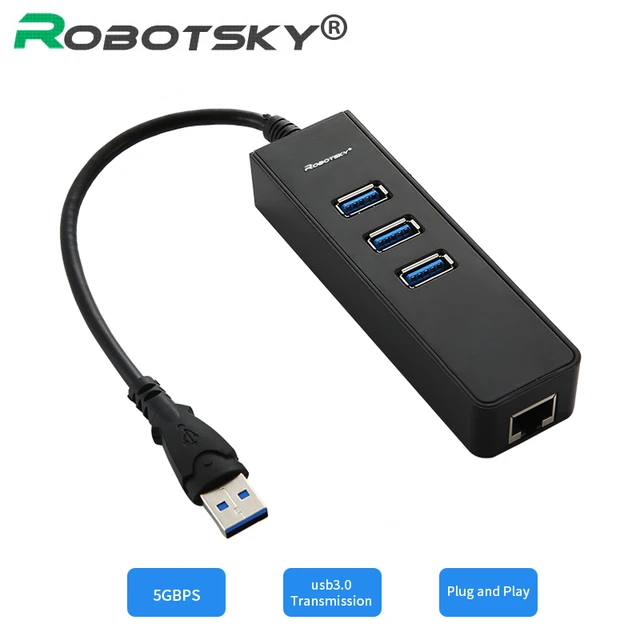
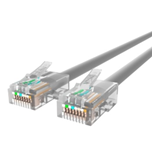
It is the cable which gives the internet to computers.
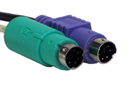
These are the mouse ports, old keyboard.
Still used for charging certain mobile phones, especially mid-range and low-end phones.
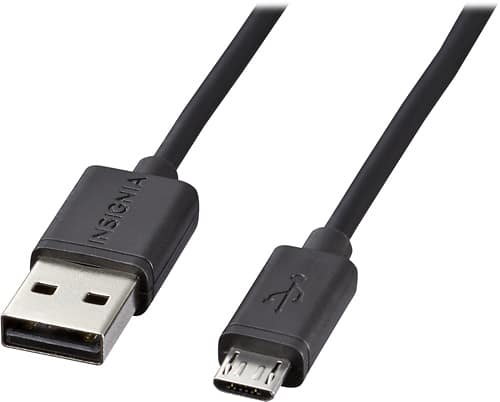
Before the emergence of the USB C cable, this was the most common type in mobile phones and digital cameras.

Multiplies the speed up to 4.8 Gigabits, that is, it is 10 times faster than USB 2.0. The same movie would take only 10 or 15 seconds to copy. Now the problem, for the first time, is not the cable but the hard drive or device you connect is fast enough to give you that speed.

With this we have a huge jump. Multiply the speed by 40 times to reach 480 Megabits per second. The same movie as in the previous example would take a little more than 1 minute to copy. We are already in the year 2000. It is very common to find PCs that incorporate both ports.
USB 1.0 port: The first one, designed to work with keyboards, mice and devices that require a very small bandwidth. It allows to work at an approximate speed of 1.5 Megabits per second. With this you would need approximately 6 hours to copy a 4 Gigabyte movie. A seems in the year 1996.
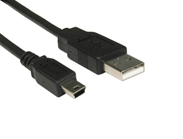
Mainboard (Motherboard): It is the main part of a computer also known as the BOARD since it serves as a housing for the other components allowing them to interact with each other and to carry out processes. The motherboard is the main component of a personal computer. It is the component that integrates all others.

 HARDWARE GLOSSARY